Posts

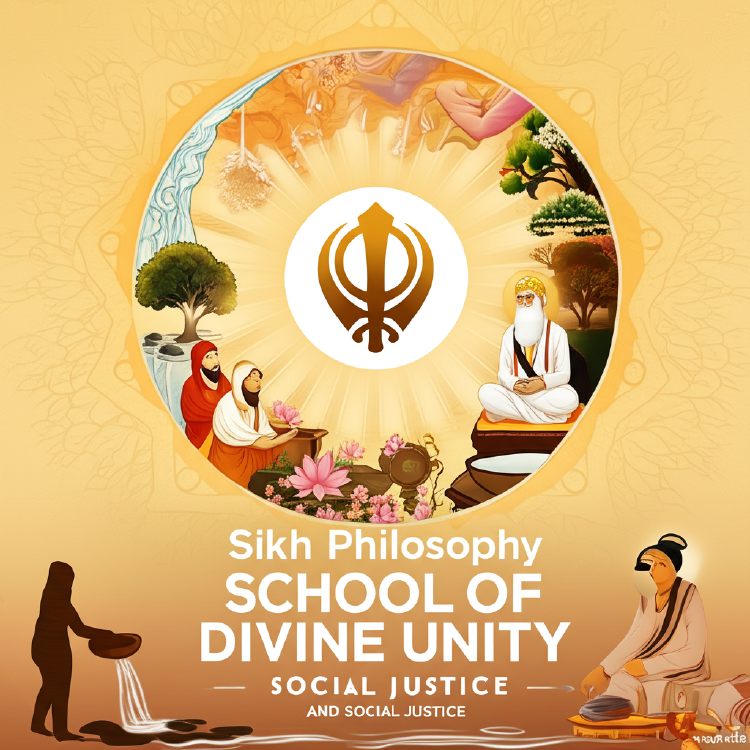
Sikh Philosophy – School of Divine Unity and Social Justice

Sikh Philosophy – School of Divine Unity and Social Justice

Founded by Guru Nanak (15th-16th century CE) and developed by nine succeeding Gurus, Sikh philosophy teaches belief in one formless God (Ik Onkar), equality of all humans, and the importance of service (seva). It rejects caste distinctions and advocates a middle path between worldly responsibilities and spiritual pursuits.

Sita

Sita

The consort of Rama, embodiment of wifely and feminine virtues in Hindu tradition.

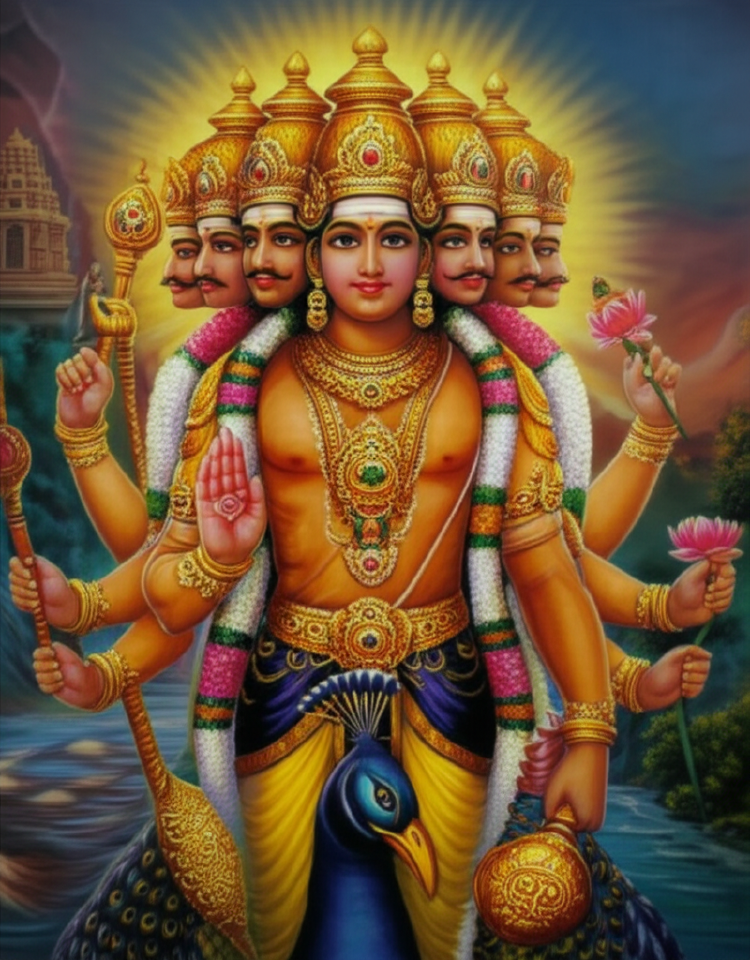
Skanda

Skanda

Also known as Kartikeya, the god of war, son of Shiva and Parvati.

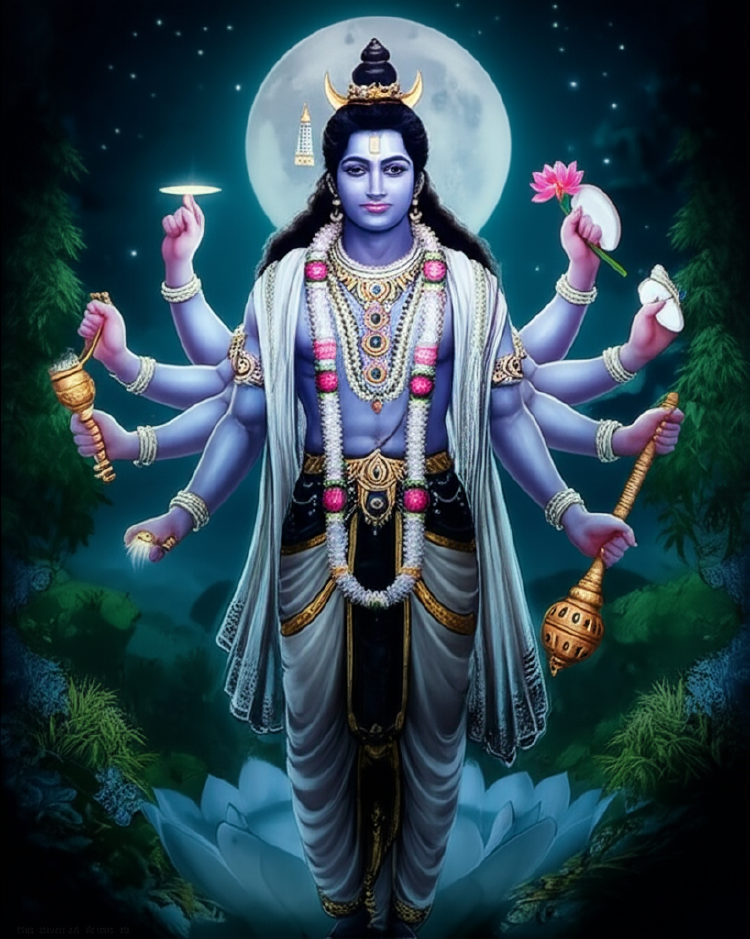
Soma

Soma

The deity of the Moon, plants, and inspiration.

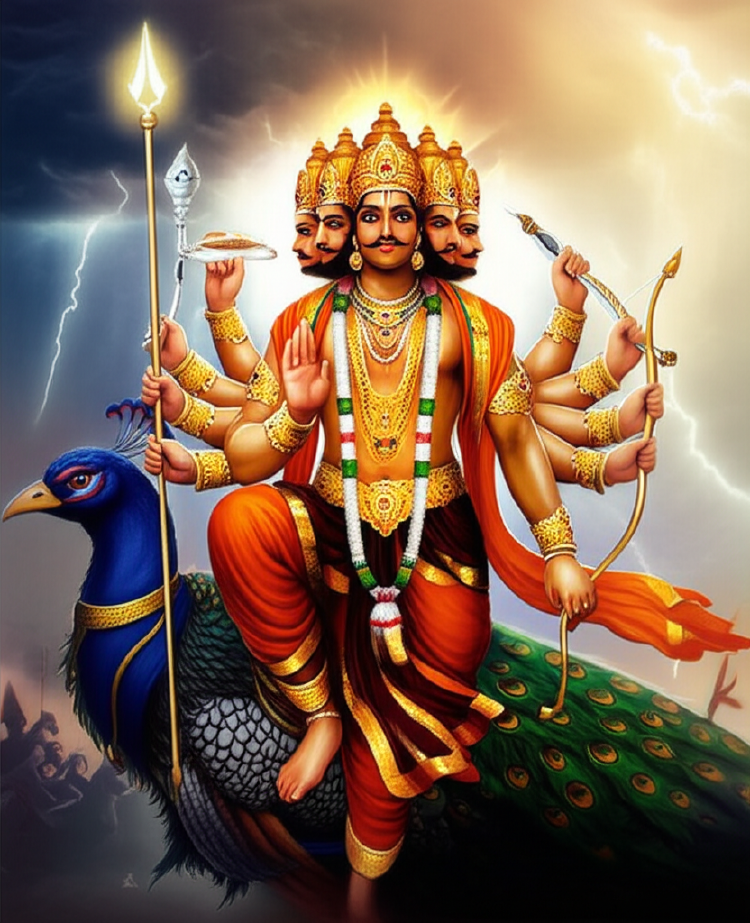
Subrahmanya

Subrahmanya

Another name for Kartikeya or Murugan, especially in South India.

Śūnyavāda – School of Emptiness

Śūnyavāda – School of Emptiness

A Madhyamaka Buddhist philosophy expounded by Nagarjuna (2nd century CE), teaching that all phenomena are empty (śūnya) of inherent existence. It uses dialectical analysis to refute all metaphysical positions and reveal the middle way between eternalism and nihilism.